
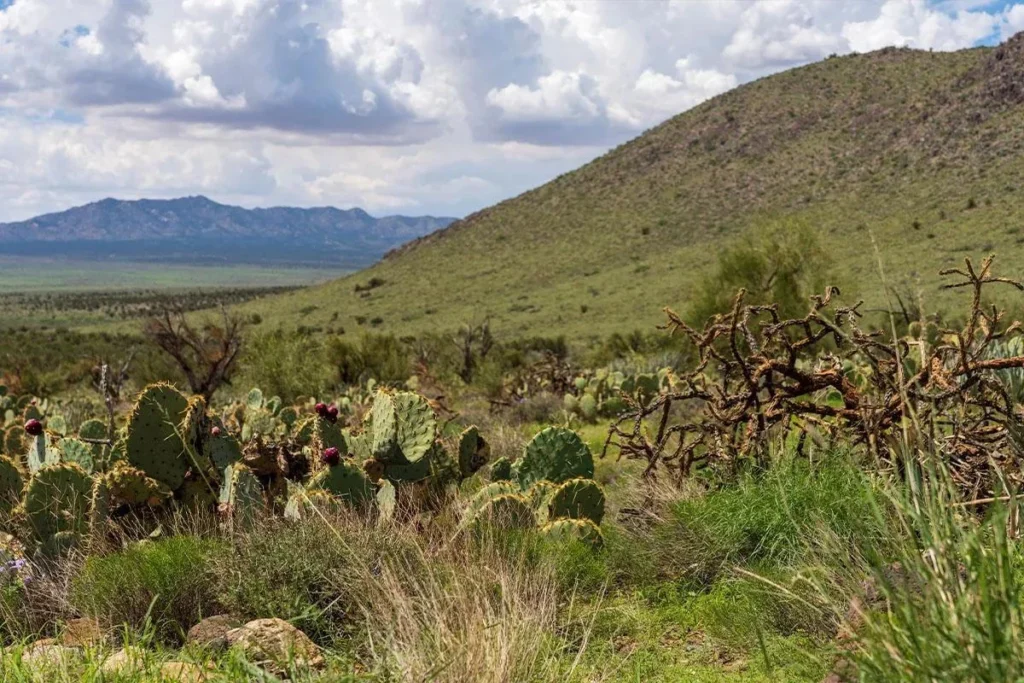
Buying land in Arizona for the first time can feel overwhelming but it doesn’t have to be. Whether you’re dreaming of a quiet desert homestead, planning a long-term investment, or simply searching for a place to call your own, Arizona’s land market offers something for every type of buyer.
At Lands For You, we’ve helped hundreds of buyers navigate the process of purchasing land across the Grand Canyon State from raw desert parcels to rural acreage with utilities already in place. This step-by-step guide is built specifically for first-time buyers who want to move forward with clarity and confidence.
Why Arizona Is One of the Best States to Buy Land
Before diving into the how-to, it’s worth understanding why Arizona is such a compelling destination for land buyers.
Affordable pricing. Compared to most western states, you’ll find genuinely cheap land in Arizona for sale including parcels under $5,000 in several rural counties.
Low property taxes. Arizona maintains some of the lowest land tax rates in the country, making it cost-effective to hold land long-term.
Diverse terrain. From the high pines of Coconino County to the Sonoran Desert floor, Arizona’s geography is remarkably varied giving buyers a wide range of lifestyle and use options.
Growing population. Arizona is one of the fastest-growing states in the U.S., meaning land values in developing corridors are appreciating steadily.
Owner financing options. Many sellers including Lands For You offer land for sale with payment plans, making ownership accessible even without a traditional mortgage.
If you’ve been searching for the best state to buy land for investment or personal use, Arizona consistently ranks near the top.
Step 1: Define Your Purpose
The single most important thing you can do before searching for a parcel is to clearly define why you want to buy land.
Homesteaders & Owner-Builders: You want to build a home, off-grid or connected to utilities. Look for parcels with road access, legal building rights, and ideally land with water and electricity already available.
Investors: You’re buying to hold and sell later at a profit. Focus on areas with population growth, infrastructure expansion, or proximity to growing cities. Mohave County and Yavapai County are strong picks right now.
Recreation Buyers: You want a getaway, camping, off-roading, hunting, or stargazing. Unrestricted land in rural Arizona offers tremendous freedom and very low prices.
Agricultural Buyers: You plan to farm, ranch, or raise livestock. Prioritize farmland in Arizona with verified water rights and appropriate zoning.
Knowing your purpose shapes every decision that follows — location, budget, parcel size, and legal requirements.
Step 2: Choose the Right County in Arizona
Arizona has 15 counties, and the land market varies dramatically between them. Here’s a quick breakdown of the most buyer-friendly counties:
| County | Best For |
|---|---|
| Mohave County | Investment, affordable rural land |
| Yavapai County | Homesteads, scenic rural parcels |
| Navajo County | Budget buyers, large acreage |
| Cochise County | Residential and agricultural land |
| Apache County | Ultra-affordable, remote parcels |
| Coconino County | High-elevation, forested land |
| Graham County | Rural, agricultural, low competition |
For first-time buyers working with a limited budget, land for sale in Mohave County and Navajo County represent the best entry points in the state. You can still find quality parcels under $5,000 in these regions.
Step 3: Set Your Budget and Explore Financing Options
One of the biggest misconceptions about buying land is that you need perfect credit or a large down payment. That’s simply not true especially when you buy through owner-financed sellers like Lands For You.
Cash Purchase: The simplest and fastest route. Many of our listings are priced so that buying an acre of land in Arizona is entirely feasible as a straightforward cash transaction even for buyers on a modest budget.
Owner Financing / Payment Plans: This is the most popular option for first-time buyers. You make a small down payment and pay monthly installments, no bank, no credit check, no stress. Look for listings that advertise land for sale with financing or land for sale with no down payment options.
Land Loans: Some credit unions and community banks in Arizona offer land loan products. These typically require 20–30% down and proof of income. A land loan in Arizona is more complex to secure than owner financing, but may offer lower long-term interest costs.
Pro tip: Always factor in additional costs beyond the purchase price, title fees, county recording fees, property taxes, and any future development costs like well drilling, road improvements, or utility hookups.
Step 4: Search for the Right Parcel
Once you know your purpose, county, and budget, it’s time to search.
Where to search:
- Lands For You listings: Browse our curated inventory of affordable land in Arizona with flexible financing, clear titles, and no HOA restrictions.
- County assessor websites: Great for pulling parcel maps and ownership records.
- Land buying sites: Online platforms aggregate listings but often lack financing flexibility and verified data.
What to look for in a listing:
- Legal deeded road access (not just a dirt track across someone else’s property)
- Parcel size and exact dimensions
- Zoning classification and land use permissions
- Utilities nearby or on-site
- GPS coordinates and APN (Assessor Parcel Number)
- Whether the land is HOA-free for unrestricted use
Avoid parcels that lack clear road access or where the seller cannot provide a clean title history.
Step 5: Conduct Due Diligence Before You Buy
Due diligence is the research you do before signing anything. For raw land, this is especially important because unlike homes, vacant land doesn’t come with standard inspections or seller disclosures in most states.
Checklist for Arizona land due diligence:
- Verify ownership and title. Order a title search or work with a title company. Make sure there are no liens, back taxes, or disputed ownership.
- Check zoning and land use. Contact the county planning department to confirm what’s permitted on the parcel.
- Research flood zones. Use FEMA’s flood map to check if the parcel sits in a 100-year floodplain.
- Confirm water access. Does the parcel have an existing well? Is it eligible for a well permit? Is it on a water district? Water rights in Arizona are complex never skip this step.
- Check utilities. Is the land near power lines? Is grid connection feasible, or will the property need to go solar or off-grid?
- Visit in person. Satellite images only tell part of the story. If at all possible, walk the parcel before purchasing.
At Lands For You, we provide full parcel details including APN, GPS coordinates, and county information with every listing to make your due diligence process as smooth as possible.
Step 6: Make an Offer and Close the Deal
Once you’ve found the right parcel and completed your due diligence, it’s time to move forward.
For owner-financed purchases through Lands For You: The process is streamlined. You select the parcel, sign a simple purchase agreement, submit your down payment, and begin monthly installments. Closing is fast often within days, with no bank involvement.
For conventional or cash purchases:
- Submit a written offer with any contingencies (financing, survey, title).
- Negotiate terms with the seller.
- Open escrow with a title company.
- Complete final due diligence during the inspection period.
- Sign closing documents and record the deed with the county recorder.
Once the deed is recorded, you are the legal owner of the land.
Common Mistakes First-Time Land Buyers Make in Arizona
Avoid these costly pitfalls:
- Buying landlocked parcels. Always verify legal road access before buying. A parcel you cannot legally reach has no practical value.
- Ignoring water rights. Arizona is a desert. Water is the most critical resource. Skipping this step can make a parcel completely unbuildable.
- Not checking zoning. A “residential” parcel may still have restrictions on structures, livestock, or commercial use.
- Overpaying for raw land. Compare comparable sales in the area before committing to a price.
- Skipping the title search. Back taxes or clouded title can become your problem the moment closing completes.
- Assuming all online listings are accurate. Many aggregator sites list outdated or incorrect parcels. Always verify directly with the seller.
Conclusion
Buying land in Arizona does not have to be complicated or expensive. With the right knowledge, a clear purpose, and a trusted seller by your side, the path from browsing available parcels to becoming a landowner can be much simpler than many first-time buyers expect. Taking time to understand your goals, preferred location, access to utilities, and long-term plans can help you make a confident decision and avoid unnecessary surprises.
Whether you are looking for a future homesite, a recreational getaway, or a long-term investment, Arizona offers a wide range of opportunities. From open desert landscapes to scenic rural communities, buyers can find land that matches both their budget and their vision. A careful approach to research and planning can make the buying process smoother and more rewarding.
At Lands For You, we focus on making land ownership accessible and straightforward for buyers across Arizona. Our listings include clear titles, no HOA restrictions, and flexible owner financing options that help remove common barriers for first-time buyers. We believe the process should be transparent, simple, and easy to understand so you can move forward with confidence.
If you have questions about available properties, county options, or the buying process, our team is here to help. Reach out to us directly, and we will help guide you toward the right property and get you on the path to land ownership in Arizona.
Frequently Asked Questions
Q1: How much does land cost in Arizona?
Land prices in Arizona vary widely based on location, size, zoning, and utility access. Budget parcels in remote counties like Apache or Navajo can start under $1,000, while land near Phoenix or Sedona can reach tens of thousands per acre. Rural undeveloped land generally ranges from $500 to $5,000 per acre in affordable areas.
Q2: Can I buy land in Arizona with no credit check?
Yes. Owner-financed sellers like Lands For You do not require a credit check. You make a down payment and monthly installments on a land contract — making this one of the most accessible paths to land ownership in Arizona.
Q3: What counties in Arizona have the cheapest land for sale?
Apache County, Navajo County, and Mohave County consistently offer the most affordable land in Arizona. Quality parcels in these counties can be found for under $5,000, and in very remote areas sometimes for a few hundred dollars.
Q4: Do I need a realtor to buy land in Arizona?
No. You are not required to use a real estate agent. Many buyers purchase directly from sellers or companies like Lands For You without agent representation saving on commissions and simplifying the transaction.
Q5: Can I build a house on raw land in Arizona?
It depends on zoning and county regulations. Many rural parcels allow residential construction, but you’ll need to verify setback requirements, building permit processes, and utility requirements with the county planning department before buying.
Q6: Is buying land in Arizona a good investment?
Arizona’s consistent population growth and infrastructure expansion make its land market one of the stronger performers in the western U.S. Rural land near expanding communities or transportation corridors has seen meaningful appreciation though as with any investment, outcomes vary.
Q7: What is owner financing and how does it work for land?
Owner financing means the seller acts as the lender. Instead of going through a bank, you pay the seller directly in monthly installments typically with no credit check required, a small down payment, and flexible terms. It’s the most popular financing method for first-time land buyers at Lands For You.