
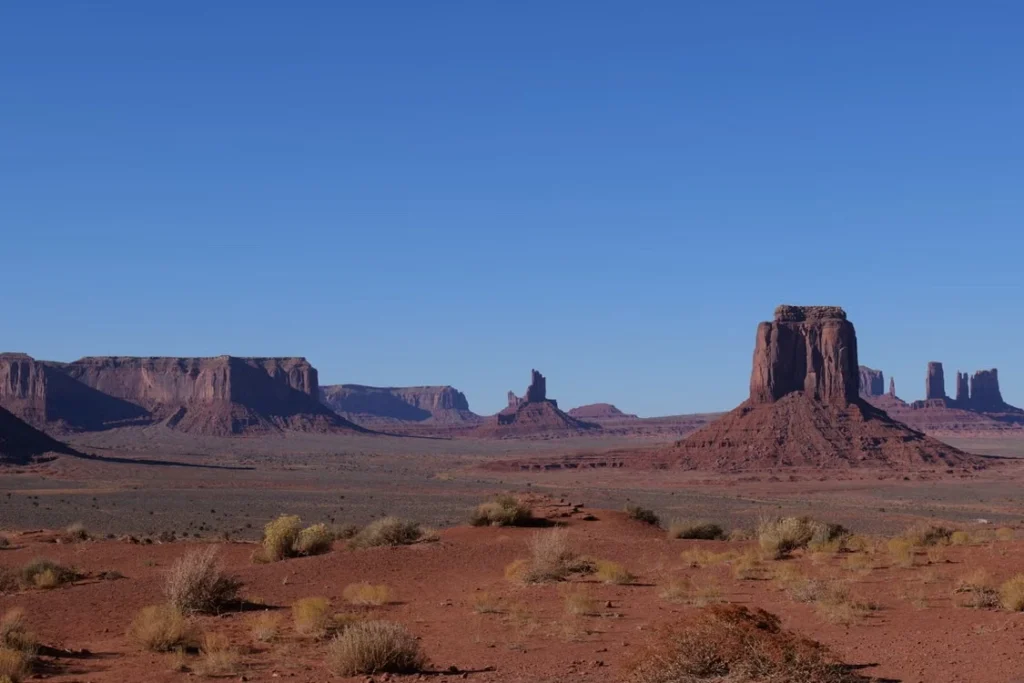
If you’re buying vacant land in Arizona, understanding the process before making an offer can help you avoid unexpected expenses and costly mistakes. Arizona offers a wide range of land opportunities, from affordable rural parcels to more expensive lots near growing cities such as Phoenix, Tucson, and Flagstaff. However, the purchase price is only one part of the equation. Buyers also need to consider due diligence, access, utilities, zoning, taxes, closing costs, and potential development expenses.
This guide explains how to buy vacant land Arizona buyers can use for building, investment, recreation, farming, or future development. It also breaks down typical Arizona land costs, additional land purchase expenses, and common mistakes to avoid.
Key Takeaways
- Determine your intended use before searching for land.
- Research zoning, access, utilities, water availability, and property restrictions.
- Compare the total cost of ownership rather than focusing only on the asking price.
- Conduct thorough due diligence before closing.
- Budget for closing costs, taxes, surveys, inspections, title services, and potential development expenses.
- Never assume that inexpensive land is automatically a good investment.
Step 1: Decide Why You Want to Buy Land
Before looking at properties, determine what you want to do with the land.
Your goals could include:
- Building a primary residence
- Constructing a vacation home
- Holding land as an investment
- Developing commercial property
- Creating a ranch or agricultural property
- Using the land for recreation
- Reselling it in the future
Your intended use will influence the type of property you need. For example, a parcel suitable for recreational use may not have the zoning, road access, water, or utilities necessary for residential construction.
Having a clear purpose also makes it easier to evaluate listings and eliminate unsuitable properties.
Step 2: Set a Realistic Land Budget
The purchase price is the most obvious expense, but it isn’t necessarily the largest long-term cost.
Arizona land costs vary considerably depending on location, parcel size, zoning, accessibility, infrastructure, and development potential. Land near major metropolitan areas generally commands a different price than remote rural acreage.
When establishing your budget, consider both the acquisition price and future expenses such as:
- Down payment
- Financing costs
- Property taxes
- Title and escrow fees
- Survey expenses
- Recording fees
- Environmental or soil studies
- Utility installation
- Road improvements
- Well or water-related costs
- Septic system installation
- Grading and site preparation
A $30,000 parcel that requires substantial infrastructure work may ultimately cost significantly more than a $50,000 parcel with road access and nearby utilities.
Step 3: Find the Right Vacant Land
Once you know your budget and intended use, begin comparing available properties.
When evaluating vacant land Arizona buyers should look beyond photographs and listing descriptions. Pay attention to:
- Parcel size
- Location
- Legal access
- Road conditions
- Zoning
- Terrain
- Flood risk
- Utility availability
- Water access
- Nearby development
- Property taxes
- Easements and restrictions
Remote land can be attractive because of its lower purchase price and privacy, but distance from paved roads, utilities, emergency services, and major communities can increase the overall cost of ownership.
Step 4: Verify Zoning and Land Use Restrictions
Never assume that you can build whatever you want on a vacant parcel.
Contact the appropriate local planning or zoning department and confirm how the property is classified. Zoning requirements can affect:
- Residential construction
- Commercial use
- Agricultural activities
- Manufactured homes
- Minimum building sizes
- Setbacks
- Number of structures
- Short-term rentals
- Subdivision potential
Also investigate deed restrictions, homeowner association rules if applicable, conservation restrictions, and recorded easements.
If you’re purchasing land as an investment, understanding development restrictions is especially important. A parcel that appears inexpensive may have limited usable potential because of zoning or other restrictions.
Step 5: Confirm Legal and Physical Access
One of the most important steps in buying vacant land in Arizona is confirming that you can legally reach the property.
A parcel may appear close to a public road but still lack direct legal access. Some properties rely on easements crossing neighboring land.
Ask:
- Is there a recorded access easement?
- Is the road publicly maintained?
- Who is responsible for road maintenance?
- Can emergency vehicles reach the property?
- Is the existing route physically usable?
- Does the legal description match the property location?
Do not rely solely on a seller’s statement that “there is access.” Review recorded documents and verify the situation independently.
Step 6: Investigate Water and Utilities
Utilities can dramatically affect your land purchase expenses.
Check whether electricity, natural gas, water, sewer, and telecommunications are available at or near the property. If utilities aren’t connected, obtain estimates for bringing them to the site.
For rural properties, you may need alternatives such as:
- Private wells
- Septic systems
- Propane
- Solar power
- Water storage systems
Water deserves particular attention in Arizona because availability and development requirements can vary by location. Before purchasing, determine what water source is available and whether additional approvals or infrastructure will be required for your intended use.
Step 7: Perform Thorough Due Diligence
Due diligence is where buyers uncover problems before they become expensive surprises.
Depending on the property, consider obtaining:
Property survey: A survey can help confirm boundaries, dimensions, access, easements, and potential encroachments.
Title search: A title review can identify liens, ownership issues, easements, restrictions, and other recorded matters.
Flood and environmental research: Determine whether the property has flood-related concerns or environmental limitations.
Soil and site evaluation: If you plan to build, determine whether the soil and terrain are appropriate for your proposed construction.
Utility verification: Get actual availability and installation estimates rather than assuming utilities are nearby.
For expensive purchases, professional assistance from a real estate attorney, title company, surveyor, engineer, or other qualified specialist may be worthwhile.
Step 8: Make an Offer
After completing preliminary research, you can submit an offer.
Your offer should reflect more than the property’s advertised price. Consider the costs you will have to absorb after closing and whether the land requires additional work.
Depending on the transaction, your purchase agreement may include contingencies related to:
- Financing
- Title review
- Property access
- Zoning
- Inspections
- Feasibility of intended use
- Water or utility availability
A due diligence period can give you an opportunity to investigate the property before becoming fully committed.
Step 9: Understand the Closing Costs
Beyond the purchase price, buyers should budget for several land purchase expenses.
Potential costs include:
- Title insurance
- Escrow fees
- Recording fees
- Survey costs
- Legal fees
- Loan origination or financing fees
- Property tax adjustments
- Inspection or due diligence costs
The exact amount varies depending on the property, transaction structure, financing, and local requirements.
Ask for a detailed estimate of closing expenses before signing the final agreement so you understand your expected cash requirement.
Step 10: Complete the Purchase and Plan for Ownership
Once due diligence is complete, financing is finalized, and the title process is ready, the transaction can move toward closing.
After purchasing the property, remember that ownership comes with ongoing expenses. These may include:
- Property taxes
- Insurance where applicable
- Road or access maintenance
- Weed and vegetation management
- Security
- Utility expenses
- Financing payments
If your goal is future development, you should also create a separate budget for architectural plans, permits, engineering, construction, utility connections, grading, and other site improvements.
Common Mistakes When Buying Vacant Land in Arizona
Focusing Only on the Purchase Price
Low-cost land can be appealing, but the cheapest parcel isn’t always the best deal. Infrastructure and development costs can quickly change the economics.
Assuming You Can Build
A parcel isn’t automatically buildable because it is listed for sale. Verify zoning, setbacks, access, water, septic feasibility, and other requirements.
Ignoring Access
A property without reliable legal access can be extremely difficult to develop or resell.
Overlooking Water Availability
In Arizona, water considerations can be especially important. Determine the property’s actual water situation before committing to a purchase.
Skipping Professional Due Diligence
Trying to save money by skipping a survey, title review, or property investigation can create much larger expenses later.
Forgetting About Resale Potential
Even if you love a property personally, consider whether another buyer would want it in the future. Location, access, utilities, zoning, and surrounding development can all affect resale potential.
How Much Does Buying Vacant Land in Arizona Cost?
There is no single statewide price for vacant land. Arizona land costs can vary substantially based on location, acreage, zoning, infrastructure, water availability, and development potential.
In addition to the purchase price, buyers should create a separate reserve for closing and due diligence costs. If the property is intended for construction, development expenses should also be included in the long-term budget.
The best approach is to calculate the property’s total acquisition and development cost, rather than evaluating it solely by price per acre.
Final Thoughts
Buying vacant land in Arizona can be an excellent opportunity for homeowners, investors, developers, and buyers looking for long-term flexibility. But a successful purchase requires more than finding an attractive parcel at a reasonable price.
Start with your intended use, establish a realistic budget, research zoning and access, investigate water and utilities, and complete comprehensive due diligence before closing. Most importantly, calculate the total cost of ownership, including both immediate land purchase expenses and potential future development costs.
With careful research and professional guidance where appropriate, you can make a more informed decision and avoid the common pitfalls that turn an inexpensive piece of land into an expensive mistake.
Ready to find the right vacant land for your goals? Contact our team today for expert guidance and explore available land opportunities in Arizona with confidence.
Frequently Asked Questions
Is buying vacant land in Arizona a good investment?
It can be, but the answer depends on the property’s location, purchase price, zoning, access, utilities, water availability, and future demand. Thorough research is essential before purchasing land as an investment.
What should I check before buying vacant land in Arizona?
Check zoning, legal access, title, boundaries, easements, utilities, water availability, flood considerations, taxes, and development requirements. If you plan to build, determine whether the site is suitable for your intended project.
Are rural parcels cheaper in Arizona?
Rural parcels can have lower purchase prices than land in or near major metropolitan areas, but buyers should account for infrastructure costs. Roads, wells, septic systems, electricity, and other improvements can significantly increase the total cost.
Do I need a survey when buying vacant land?
A survey isn’t necessarily required for every transaction, but it can be highly valuable. It may help confirm boundaries, identify encroachments, and clarify easements or access issues.
What are the biggest land purchase expenses besides the price?
Common expenses include title and escrow charges, recording fees, surveys, inspections, legal or professional services, financing costs, taxes, and infrastructure improvements. Development-related expenses can be much larger if you plan to build.
Can I build a house on any vacant land in Arizona?
No. Building depends on zoning, access, setbacks, utility or water availability, septic feasibility, environmental considerations, and applicable local regulations. Always verify development feasibility before purchasing.