
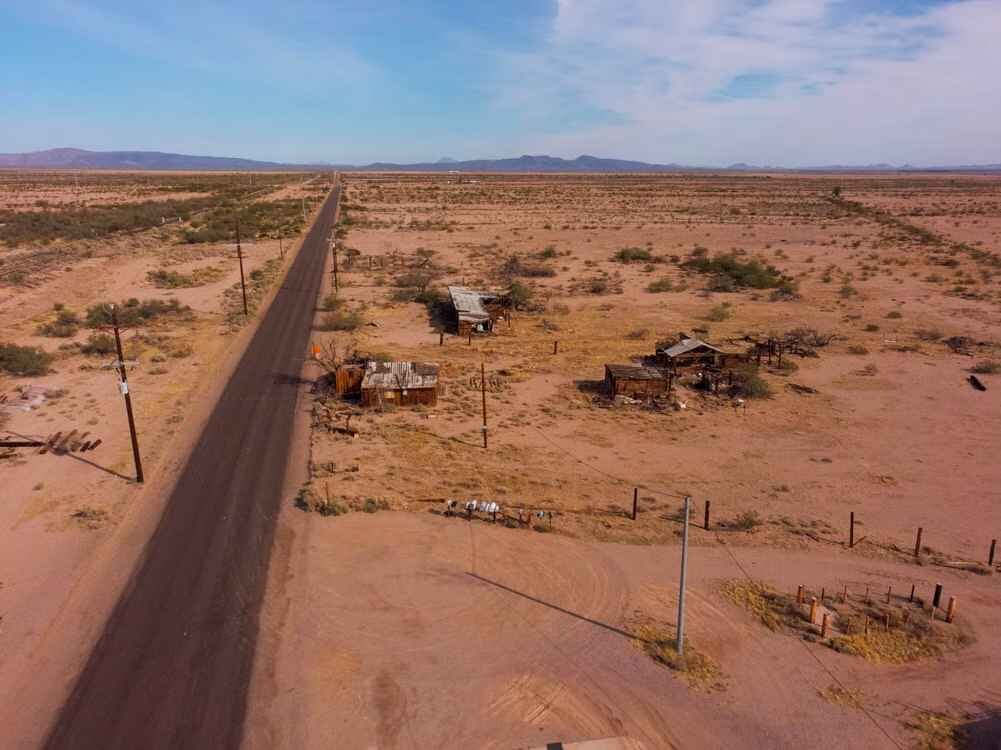
Buying land in Arizona can be an exciting opportunity, whether you want to build a home, start a business, hold property for the future, or diversify your real estate portfolio. With large rural areas, growing communities, and a variety of land types, Arizona offers opportunities for both first-time buyers and experienced investors.
However, purchasing vacant land is different from buying an existing home. Before making an offer, you need to understand zoning, utilities, water access, road access, property taxes, environmental conditions, and local development regulations.
If you are considering Arizona land buying in 2026, this guide explains the major steps you should take before purchasing a parcel and how to make a more informed decision.
Why Consider Buying Land in Arizona in 2026?
Arizona continues to attract homeowners, businesses, retirees, outdoor enthusiasts, and real estate investors. Cities such as Phoenix, Tucson, Mesa, and Scottsdale have established real estate markets, while surrounding areas offer more rural and undeveloped parcels.
One of the biggest advantages of land ownership is flexibility. Depending on the property’s location and zoning, land may eventually be used for residential construction, agriculture, recreation, commercial purposes, or other permitted activities.
For investors, vacant land can also provide an opportunity to purchase property in an area that may experience future growth. However, land should not be considered automatically profitable simply because a community is expanding. Location, access, zoning, utilities, water availability, and development potential all have a major impact on value.
For anyone researching buying land Arizona 2026, the key is to look beyond the purchase price and evaluate the property’s long-term potential.
1. Determine Why You Want to Buy Land
Before searching for properties, clearly define your objective.
Are you looking for land to:
- Build a primary residence?
- Construct a vacation home?
- Develop multiple properties?
- Start an agricultural operation?
- Use recreationally?
- Hold as a long-term investment?
- Build a commercial property?
Your intended use will influence the type of land you should consider. A parcel that works well for recreation may not be suitable for residential development. Likewise, inexpensive rural acreage may seem attractive until you discover that extending utilities or improving road access would be expensive.
Having a clear goal helps narrow your search and prevents you from purchasing a property that does not meet your needs.
2. Set a Realistic Land-Buying Budget
The advertised price of land is only one part of the total cost.
When creating your budget, consider:
- Purchase price
- Property taxes
- Closing costs
- Title and escrow fees
- Survey costs
- Due diligence
- Well or water expenses
- Septic system installation
- Road or driveway improvements
- Electricity or alternative power
- Site preparation
- Permits and construction costs
For example, a parcel may have a relatively low purchase price but require significant investment before it can be developed.
If you are pursuing Arizona land investment, calculate the total expected cost rather than focusing solely on the listing price. This gives you a more realistic picture of whether the property fits your financial goals.
3. Research the Location Carefully
Location is one of the most important factors in Arizona real estate.
Arizona includes dense metropolitan areas, suburban communities, small towns, desert regions, agricultural areas, and remote rural land. Conditions can vary significantly from one county or community to another.
Research nearby:
- Population growth
- Employment centers
- Schools
- Shopping and services
- Major highways
- Planned infrastructure
- New developments
- Recreation
- Healthcare facilities
If you are purchasing land as an investment, consider what could influence demand in the future. A parcel near expanding infrastructure or an established community may have different potential from an isolated parcel several miles from major services.
At the same time, do not assume that every developing area will appreciate quickly. Research local plans and current conditions before making an investment decision.
4. Understand Zoning and Land-Use Regulations
One of the most important steps in Arizona land buying is verifying what you are legally allowed to do with the property.
Zoning regulations vary by jurisdiction and may determine whether land can be used for:
- Single-family housing
- Multifamily housing
- Commercial development
- Agriculture
- Industrial activities
- Recreational purposes
- Manufactured homes
- Other specific uses
Never rely solely on a property’s listing description. Confirm zoning and permitted uses with the appropriate city or county planning department.
You should also ask whether there are minimum lot sizes, building restrictions, setbacks, height limitations, or other development requirements.
A parcel being advertised as “buildable” does not necessarily mean it is ready for immediate construction.
5. Verify Legal Road Access
Road access is another critical consideration when buying land in Arizona.
Some properties are located directly along public roads, while others may be reached through private roads or easements. A parcel can be physically close to a road without having the legal right to use it.
Before purchasing, determine:
- Whether the property has legal access
- Whether access is through public or private roads
- Whether an easement exists
- Who maintains the road
- Whether road improvements are required
If access depends on an easement, review the recorded documents carefully. An attorney or title professional can help you understand access rights and potential restrictions.
6. Investigate Water Availability
Water deserves special attention when purchasing Arizona land.
Depending on the property, water may come from a municipal provider, private well, shared well, or another permitted source. Some rural parcels may require buyers to investigate feasibility and related regulations before development.
Do not assume that groundwater will automatically be available simply because neighboring properties have wells.
Before purchasing, investigate the property’s water situation and determine whether the intended use is feasible. For residential construction, also consider how water availability could affect future development costs.
This is especially important when comparing inexpensive rural properties. A lower purchase price may not represent a bargain if bringing necessary infrastructure to the site is difficult or costly.
7. Check Utilities and Infrastructure
Vacant land does not necessarily have the same infrastructure as developed property.
Find out how the parcel will receive:
- Electricity
- Water
- Wastewater or septic service
- Internet
- Gas or alternative energy
Contact local utility providers to determine whether services are available at the property and how much connecting them could cost.
For remote land, solar power, private wells, septic systems, propane, or other alternatives may be necessary.
These costs should be included in your overall budget before deciding whether a property is financially practical.
8. Conduct Thorough Due Diligence
Before closing, take time to investigate the property.
Important due-diligence items can include:
- Property boundaries
- Title history
- Existing liens
- Easements
- Deed restrictions
- Zoning
- Flood risk
- Soil conditions
- Environmental concerns
- Access
- Water availability
- Utility availability
- Property taxes
A professional land survey may also be worthwhile, particularly if boundaries are unclear or the parcel has complicated terrain.
You should also understand the property’s topography. Steep slopes, washes, rocky terrain, or other physical conditions can affect construction and site-development costs.
9. Understand Arizona Property Taxes
Property taxes are an ongoing expense that should be included in your ownership calculations.
Tax amounts can vary based on the property’s location, classification, assessed value, and applicable local rules. Before purchasing, review the property’s current tax information and determine whether any outstanding amounts exist.
If you plan to hold land as a long-term investment, estimate these recurring expenses over several years. Even relatively modest annual taxes can add up over time.
10. Consider the Investment Potential
Land can be an attractive component of a diversified real estate strategy, but it comes with its own risks.
A potential Arizona land investment should be evaluated based on factors such as:
- Location
- Population growth
- Accessibility
- Zoning
- Development potential
- Nearby infrastructure
- Water availability
- Market demand
- Holding costs
Avoid buying solely because someone claims an area is “the next big thing.” Instead, look for verifiable information about development activity, infrastructure, and market conditions.
Also remember that vacant land may not generate rental income while you hold it. Your investment strategy should account for taxes, maintenance, financing, and the possibility that selling may take time.
11. Work With Experienced Professionals
Buying vacant land can involve legal, financial, and technical considerations. Depending on the property and your plans, professional guidance can help reduce unexpected problems.
You may want to work with:
- A land-focused real estate professional
- A title company
- A real estate attorney
- A surveyor
- A lender
- Contractors or engineers
A knowledgeable land professional can also help you identify questions that may not be obvious to a first-time buyer.
Lands For You can be a useful starting point for buyers exploring available land and learning more about potential properties.
Common Mistakes to Avoid When Buying Land in Arizona
A few mistakes can turn an inexpensive parcel into an expensive problem.
Ignoring Access
Never assume you can legally reach the property. Verify road access and easements before purchasing.
Assuming the Land Is Buildable
Zoning, utilities, water, soil, terrain, and other regulations can affect whether construction is practical.
Focusing Only on Price
The cheapest parcel is not necessarily the best value. Consider the total cost of ownership and development.
Skipping Due Diligence
Take the time to investigate title, boundaries, taxes, zoning, utilities, water, and access.
Overlooking Holding Costs
If you plan to hold land for several years, include property taxes and other recurring costs in your investment calculations.
Final Thoughts on Arizona Land Buying in 2026
Arizona land buying can offer opportunities for homeowners, builders, recreational users, and investors. However, successful land ownership requires more research than simply finding an affordable parcel and making an offer.
The best approach is to start with your intended use, establish a realistic budget, research the location, verify zoning and legal access, investigate water and utilities, and complete thorough due diligence before closing.
Whether your goal is to build in the future or pursue a long-term Arizona land investment, understanding the property today can help you make a more confident decision tomorrow.
If you are exploring available land opportunities, Lands For You can help you begin your search and learn more about properties that may match your goals. Have questions or are ready to explore your options? Contact us today to learn more about available Arizona land and find the right property for your plans.
Frequently Asked Questions
Is buying land in Arizona a good investment in 2026?
It can be, depending on the location, purchase price, zoning, access, infrastructure, water availability, and future demand. Buyers should conduct detailed research rather than assuming every Arizona parcel will appreciate.
What should I check before buying land in Arizona?
Check zoning, legal road access, water availability, utilities, property taxes, title history, easements, boundaries, environmental conditions, terrain, and development requirements.
Can I build a house on vacant land in Arizona?
Possibly. Whether you can build depends on local zoning, building regulations, access, water, wastewater arrangements, utilities, and the physical characteristics of the property. Confirm requirements with the relevant local authorities before purchasing.
Is rural Arizona land cheaper than land near cities?
Rural land can have a lower purchase price than land in established metropolitan areas, but the overall cost may be higher if significant infrastructure or site improvements are needed.
Do I need a survey when buying Arizona land?
A survey may be highly beneficial, especially when property boundaries are unclear, access is complicated, or you plan to develop the parcel. Discuss the property’s circumstances with a qualified surveyor or title professional.
How can I find land for sale in Arizona?
You can search online land listings, work with land-focused real estate professionals, and explore specialized land company Lands For You. Always perform independent due diligence on a property before purchasing.