
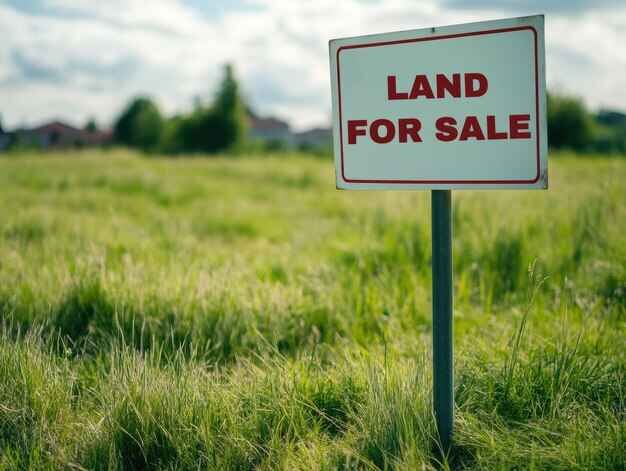
Buying raw land in Arizona is one of the smartest investments you can make if you’re looking for long-term value, recreational property, or a future homesite. Arizona offers vast open landscapes, affordable rural properties, and growing demand for land in counties like Mohave and Yavapai. Whether you’re planning to build a custom home, start a small ranch, or simply invest in appreciating real estate, understanding the buying process is essential.
However, purchasing undeveloped land is very different from buying a house. There are zoning regulations, utility considerations, road access, and legal requirements that every buyer should understand before making a purchase.
In this guide, we’ll walk you through the 10 essential steps to buying raw land in Arizona so you can invest confidently and avoid costly mistakes.
Why Arizona Raw Land Is a Great Investment
Arizona continues to attract investors, retirees, outdoor enthusiasts, and people seeking affordable property ownership. Compared to many neighboring states, Arizona raw land often offers excellent value with strong future growth potential.
Some of the biggest advantages include:
- Lower purchase prices compared to developed properties
- Flexible usage options
- Strong appreciation in expanding counties
- Excellent opportunities for recreational use
- Ideal for off-grid living
- Potential for future residential development
Areas like Mohave County and Yavapai County have become especially popular because they combine affordability with scenic landscapes and increasing demand.
Step 1: Define Your Purpose for Buying Land
Before searching for listings, determine exactly why you’re purchasing land.
Ask yourself:
- Will you build a home?
- Is this an investment?
- Do you want recreational property?
- Will you use it for farming or livestock?
- Are you planning to hold it for future appreciation?
Your intended use will determine the ideal location, acreage, zoning, and budget.
Having clear goals also makes the entire buying process much easier.
Step 2: Set a Realistic Budget
The purchase price is only one part of buying raw land in Arizona.
You’ll also need to consider:
- Closing costs
- Property taxes
- Survey fees
- Utility installation
- Septic system
- Well drilling
- Road improvements
- Permit fees
If you’re financing the purchase, check interest rates and lender requirements, as land loans often differ from traditional mortgages.
Creating a complete budget helps prevent unexpected expenses later.
Step 3: Research the Best Arizona Locations
Arizona offers diverse landscapes, climates, and property values.
Some of the most popular areas include:
Mohave County
If you’re looking for affordable desert properties with excellent investment potential, land for sale in Mohave County is worth exploring.
Benefits include:
- Affordable acreage
- Easy highway access
- Near Kingman and Lake Havasu
- Excellent off-grid opportunities
- Strong appreciation potential
Many investors choose Mohave County because large parcels remain available at competitive prices.
Yavapai County
Those seeking cooler temperatures and beautiful mountain scenery often search for land for sale in Yavapai County.
Advantages include:
- Beautiful natural landscapes
- Growing communities
- Strong resale demand
- Excellent retirement locations
- Access to Prescott and surrounding towns
Yavapai County combines lifestyle benefits with long-term investment potential.
Step 4: Verify Zoning and Land Use Regulations
One of the biggest mistakes buyers make is assuming they can use land however they wish.
Before purchasing any vacant land Arizona, verify:
- Residential zoning
- Agricultural zoning
- Commercial restrictions
- Building setbacks
- Minimum lot sizes
- RV living regulations
- Manufactured home restrictions
- Livestock allowances
Contact the local county planning department if you’re unsure about permitted uses.
Understanding zoning protects your investment and prevents future surprises.
Step 5: Check Legal Access
Not every parcel has guaranteed road access.
Some important questions include:
- Does the property have recorded legal access?
- Is there a public road?
- Is access through a private easement?
- Who maintains the road?
- Is the property accessible year-round?
Without legal access, obtaining permits or financing may become difficult.
Always confirm access before closing.
Step 6: Evaluate Utilities and Infrastructure
Unlike developed neighborhoods, raw land may not have utilities readily available.
Check the availability of:
- Electricity
- Water
- Natural gas
- Internet service
- Cell coverage
- Sewer connections
If utilities aren’t available, determine the cost of:
- Solar systems
- Water wells
- Septic installation
- Water delivery
- Propane
These costs vary significantly depending on the property’s location.
Step 7: Review Environmental Conditions
Arizona has unique environmental factors that buyers should evaluate carefully.
Look into:
Flood Zones
Review FEMA flood maps to determine whether the property lies in a floodplain.
Soil Quality
If you plan to build, a soil test can determine whether the ground supports construction.
Topography
Steep slopes can increase construction costs.
Drainage
Proper drainage helps avoid erosion and water damage.
Protected Areas
Some parcels may contain protected wildlife habitats or environmental restrictions.
Taking time to inspect these factors helps ensure the land meets your needs.
Step 8: Order a Survey and Title Search
A professional land survey confirms:
- Property boundaries
- Acreage
- Easements
- Encroachments
- Road access
Equally important is a title search.
This identifies:
- Liens
- Ownership disputes
- Unpaid taxes
- Easements
- Restrictions
Buying land with a clear title provides peace of mind and protects your investment.
Step 9: Understand Future Development Potential
Many people buy land in Arizona because they expect long-term appreciation.
Research nearby developments such as:
- New highways
- Residential communities
- Commercial projects
- Schools
- Utility expansions
- Employment centers
Areas experiencing population growth often see increasing land values over time.
This is one reason counties like Mohave and Yavapai continue attracting both investors and homeowners.
Step 10: Work with a Trusted Land Seller
Purchasing land becomes much easier when working with experienced professionals.
A trusted seller provides:
- Clear property information
- Transparent pricing
- Honest communication
- Proper documentation
- Assistance throughout the buying process
At Lands For You, we help buyers confidently navigate every step of purchasing Arizona land. Whether you’re searching for affordable investment property, recreational acreage, or the perfect future homesite, our listings include carefully selected properties across Arizona’s most desirable counties.
If you’re exploring land for sale in Mohave County or land for sale in Yavapai County, our team can help you find options that fit your goals and budget.
Common Mistakes to Avoid When Buying Raw Land
Even experienced investors can make costly errors.
Avoid these common mistakes:
- Buying without visiting the property
- Ignoring zoning restrictions
- Forgetting to verify legal access
- Underestimating utility costs
- Skipping a title search
- Not researching future development
- Failing to understand property taxes
- Purchasing based only on price
A little research upfront can save thousands of dollars later.
Why Choose Lands For You?
Finding the right property is about more than browsing listings. It’s about having a knowledgeable partner who understands Arizona’s land market.
Lands For You makes buying raw land in Arizona easier by offering:
- Carefully selected Arizona properties
- Competitive pricing
- Transparent property details
- Helpful customer support
- Opportunities in high-demand counties
- Flexible options for different budgets
Whether you’re a first-time buyer or an experienced investor, we’re committed to helping you make informed decisions and find land that aligns with your long-term goals.
Final Thoughts
Buying undeveloped property can be one of the most rewarding real estate investments when approached with proper planning. By following these land buying steps, you can reduce risks, avoid unexpected costs, and choose property with strong long-term potential.
Arizona continues to offer outstanding opportunities for investors, retirees, and future homeowners. From affordable Arizona raw land to scenic vacant land Arizona, there’s no shortage of options for every type of buyer.
If you’re ready to start buying raw land in Arizona, explore available listings with Lands For You. Whether you’re interested in land for sale in Mohave County or land for sale in Yavapai County, our team is here to help you find the right property with confidence.
Frequently Asked Questions
1. Is buying raw land in Arizona a good investment?
Yes. Arizona has experienced consistent population growth, increasing demand for rural property, and strong appreciation in many counties. Raw land can be an excellent long-term investment when purchased in desirable locations.
2. What should I check before buying vacant land in Arizona?
Review zoning regulations, legal access, property boundaries, title history, utility availability, flood zones, soil conditions, and future development plans before purchasing.
3. Which Arizona counties are best for buying land?
Mohave County and Yavapai County are among the most popular due to their affordability, scenic landscapes, investment potential, and growing communities.
4. Can I build a house on Arizona raw land?
In most cases, yes, provided the land is properly zoned and meets county building requirements. Always verify local regulations before purchasing.
5. Do raw land properties have utilities?
Not always. Many undeveloped properties require installing utilities such as electricity, water wells, septic systems, or solar power. Be sure to factor these costs into your budget.